Engineering Excellence in BLDC & Stator Manufacturing Equipment
As global electrification accelerates across automotive EV compressors, UAV drone propulsion, industrial power tools, and high-efficiency HVAC equipment, selecting a qualified China brushless motor winding machine manufacturer requires deep evaluation of kinematic accuracy, copper wire fill factor optimization, and automated process integration.
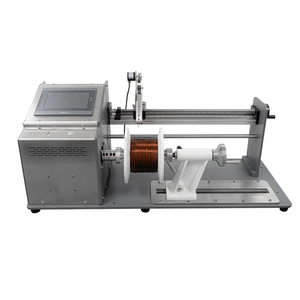
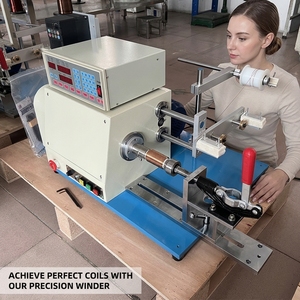
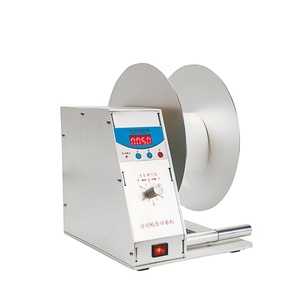
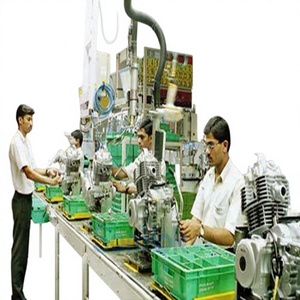
Featured Motor Winding Machinery & Testing Equipment
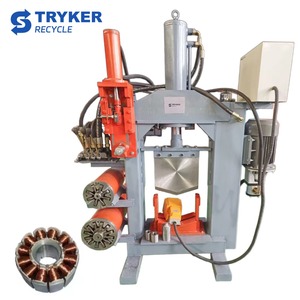
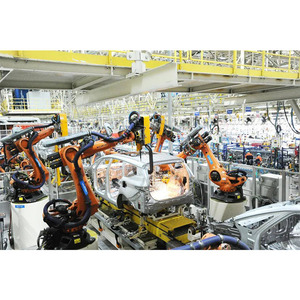
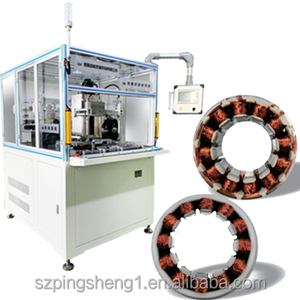
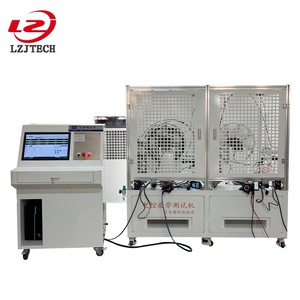
Explore our core machinery lineup engineered for high-precision needle winding, multi-spindle coil production, stator recycling, and complete automated assembly lines.
Technical Evaluation Criteria for Brushless Motor Winding Machinery
Modern brushless DC (BLDC) and permanent magnet synchronous motors (PMSM) require extreme slot-fill optimization and neat orthocyclic winding patterns to achieve maximum torque density and energy efficiency (IE4/IE5 standard compliance). When auditing potential equipment manufacturers in China, global procurement teams must scrutinize key mechanical and kinematic parameters rather than comparing headline price points alone.
1. Needle Winding vs. Flyer Winding Topologies
For internal slot stators (such as power tool armatures, automotive pump stators, and EV compressor motors), needle-type internal stator winding machines provide superior precision by guiding magnet wire directly through narrow slot openings via 3-axis or 4-axis servo-driven needle nozzles. Conversely, external rotor outrunner motors (used extensively in UAVs, FPV drones, and ceiling fans) rely on specialized outer stator winders with rotating flyer arms to maintain high cycle speeds without scraping enamel insulation.
2. Servo Tension Control & Closed-Loop Closed-Feedback Systems
The single greatest cause of inter-turn short circuits and thermal failures in high-power BLDC stators is copper wire stretch caused by inconsistent mechanical tension. Leading Chinese machinery OEMs integrate magnetic or active electronic servo tensioners that maintain wire tension tolerances within ±0.5 cN even during rapid needle acceleration and stroke reversals exceeding 2,500 RPM.
| Winding Technology | Stator Kinematics | Typical Copper Wire Gauge | Copper Fill Factor | Target Applications |
|---|---|---|---|---|
| CNC Needle Type Winder | Internal Slotted Stator (3-Axis Servo) | 0.15 mm – 1.30 mm | 58% – 68% | Inner-Rotor BLDC, EV Compressors, Power Tools |
| Flyer Outer Stator Winder | External Tooth Stator (2/4-Station) | 0.10 mm – 0.95 mm | 50% – 62% | UAV Drone Motors, FPV Outrunners, Ceiling Fans |
| Multi-Spindle Coil Winder | Bobbin / Transformer Coils | 0.04 mm – 0.60 mm | N/A (Layer Wound) | Switched Mode Transformers, Ignition Coils |
| Armature Slot Winder | Commutator Armature Rotors | 0.20 mm – 1.50 mm | 55% – 65% | Universal Brushed Motors, Starter Motors |
Sample-Based Tooling Customization
Every motor stack height, lamination tooth geometry, and wire thickness requires exact nozzle trajectory programming and custom clamping fixtures. Machines are customized directly against customer sample stators.
PLC + Touchscreen HMI Control
User-friendly touch interfaces support up to 100 winding recipe parameters, including turns count, indexing angle, wire park height, and automatic layer stepping without manual mechanical adjustments.
Rigid Mechanical Inspection
All machinery undergoes 100% pre-shipment validation including hi-pot dielectric insulation testing, vibration analysis, spindle runout verification (<0.005mm), and multi-hour continuous endurance trials.
Global On-Site Engineer Support
Overseas installation, operator commissioning, and maintenance training are provided by experienced expatriate technicians, ensuring rapid line ramp-up for international buyers.
Future Procurement Trends for BLDC Motor Winding Equipment (2025–2030)
The global motor winding equipment market is shifting rapidly toward integrated automation, real-time telemetry, and multi-model flexibility. Buyer requirements have moved beyond basic winding speed to encompass full traceability and minimal downtime changeover.
1. Shift from Standalone Winders to Turnkey Modular Lines
Modern motor manufacturers no longer purchase isolated winding machines. Procurement directives favor integrated cell production lines combining insulation paper insertion, needle winding, slot phase taping, wire stripping, hot-staking terminal soldering, and end-of-line (EOL) electrical testing within a unified PLC control loop.
2. Hairpin & Heavy-Gauge Copper Wire Capabilities
Driven by 800V automotive EV powertrains and high-power industrial pumps, demand for flat copper wire (hairpin) and heavy-gauge needle winding machines is expanding rapidly. Equipment must deliver massive torque at low speeds to handle thick magnet wire without necking or insulation fracturing.
3. Industry 4.0 Telemetry & Closed-Loop Quality Control
Leading global buyers require OPC-UA and Ethernet/IP protocols integrated directly into machine controllers. Real-time logging of tension curves, wire consumption, cycle time, and insulation breakdown voltage enables predictive maintenance and zero-defect automotive compliance (IATF 16949 standards).
Next-Generation Trends in Brushless Motor Design & Automation
As permanent magnet synchronous motors (PMSM) replace traditional brushed and AC induction motors across commercial and industrial sectors, stator manufacturing machinery must adapt to evolving electromagnetic geometries.
- Ultra-High Speed Outrunners for UAV & Drone Robotics: Precision outrunner stators demand multi-station flyer winders capable of winding ultra-fine copper wire onto high-pole-count lamination stacks (e.g., 12S14P, 24S28P) with zero wire crossing.
- Automotive Thermal Management Pumps & Compressors: BLDC motors operating inside hermetic refrigerant environments require automated slot insulation paper edge-folding and high-voltage dielectric barrier checks right at the winding station.
- Eco-Friendly Circular Economy & Copper Reclamation: With raw material costs rising, automated motor stator recycling and copper wire unwinding/reclaiming systems have become vital for sustainable motor remanufacturing plants worldwide.
Enterprise Manufacturing Capabilities & Quality Assurance
Ningbo Davri Automation Equipment Co., Ltd. (Cefnak) operates a specialized manufacturing facility in Ningbo, Zhejiang—China's industrial heartland for precision motor production equipment. Verified on-site by Intertek, our factory integrates component stamping, mechanical assembly, CNC programming, and rigorous laboratory testing.
Procurement & Technical FAQ for Global Buyers
Key technical questions addressed by our engineering team to assist international buyers during equipment specification and factory auditing.
Which motor types can your stator winding machines handle?
Do you supply complete turnkey motor production lines?
Can machines be customized from our physical motor sample or drawing?
What parameters are required to generate an accurate technical proposal?
What after-sales and commissioning support is available for overseas buyers?
What are the minimum order quantities (MOQ) and lead times?
Request a Custom Engineering Proposal & Machine Quote
Send us your motor sample, lamination drawings, or production line requirements. Our senior automation engineers will analyze your slot geometry and reply with a tailored technical quotation.
Contact Us