Blog
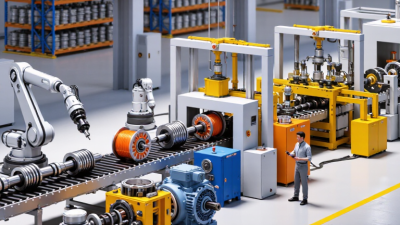
What Is a Motor Production Line and How Does It Work?
A Motor Production Line is a coordinated sequence of stations that turns components into tested electric motors. Depending on the design, the process may include shaft preparation, rotor and stator assembly, winding, balancing, and final inspection. Parts move by conveyor, carts, or dedicated fixtures. At each station, operators or machines perform a defined task. The aim is steady output with consistent quality—not speed at any cost.
The work often begins with prepared components. A winding station places insulated copper wire into stator slots, while assembly equipment fits parts to controlled dimensions. Sensors and gauges can check alignment, temperature, or electrical performance. After assembly, a motor may undergo insulation, vibration, and no-load tests. A small imbalance can create noticeable noise. Small differences matter. Data from these checks helps teams trace defects to a station, tool, or batch.
Automation can improve repeatability, but it does not remove the need for skilled oversight. Operators set up equipment, respond to alarms, and inspect results that machines may miss. The best layout depends on motor type, production volume, and changeover needs. A line built for a compact appliance motor may not suit a large industrial unit. That sounds simple. It rarely is. This guide explains the main stations, how materials and information move between them, and which practical checks keep production reliable. It also considers a useful limitation: no single line design fits every factory.
Read more »
 By:Elowen
- November 23, 2026
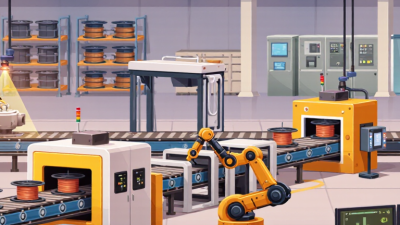
Best Automatic Motor Production Line Manufacturers in China
China has become an important sourcing destination for motor-making equipment, but choosing a supplier takes more than comparing quoted prices. This guide to the Best Automatic Motor Production Line Manufacturers in China focuses on capabilities buyers can verify: engineering support, equipment integration, quality controls, and experience with the intended motor type. Details matter.
An Automatic Motor Production Line may combine coil winding, stator insertion, rotor assembly, balancing, and electrical testing. Some lines also include laser marking, automated handling, and production data collection. The right configuration depends on motor design, target output, available floor space, and how often products change. A fast cycle time means little if changeovers are difficult or test results cannot be traced to individual units.
When reviewing manufacturers, ask for process descriptions, sample test records, installation plans, and clear acceptance criteria. A factory visit or live equipment demonstration can help confirm how stations work together. Check what the quoted scope includes, from tooling and operator training to commissioning and after-sales service. Not every line fits. One limitation is that public information rarely reveals how a system performs across long production runs, so specific references and realistic trials are valuable. This overview is a starting point, not a universal ranking; the best choice depends on your technical requirements and the supplier’s ability to support them over time.
Read more »
 By:Clara
- November 23, 2026
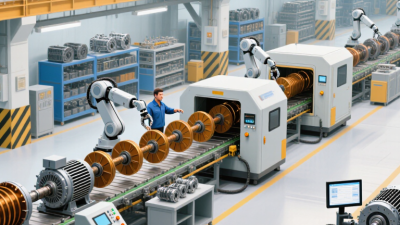
Top Electric Motor Production Line Manufacturers
Selecting a partner from the top Electric Motor Production Line Manufacturers requires more than comparing brochure speeds. A capable line may include rotor and stator assembly, winding, balancing, testing, and traceable quality checks. Each station affects output, product consistency, and the space required on the factory floor. For buyers, the real question is whether the equipment fits the motor design, annual volume, and workforce skills. A line built for small batches may not suit continuous production. Details matter. Ask how changeovers work, which process data operators can review, and what support is available during commissioning.
This overview considers manufacturers through practical criteria: engineering depth, automation options, integration experience, service coverage, and documented quality procedures. It also examines whether suppliers can adapt tooling for different frame sizes or winding specifications, rather than offering only a fixed package. References from comparable projects can be useful, but they should be checked against actual production conditions. A polished demonstration is not the same as stable output over a full shift. Not always. Buyers should clarify cycle-time assumptions, acceptance tests, spare-parts availability, and training before making comparisons. No supplier is ideal for every plant, and published claims rarely show the whole picture. Some trade-offs remain. A lower initial price can mean more manual handling; higher automation can add maintenance demands. The best choice is the one whose capabilities are verifiable, whose limits are clearly explained, and whose line can grow with the product roadmap. This guide helps readers ask sharper questions and assess claims with care.
Read more »
By:Elowen
- November 23, 2026